
Breaking Free: Why Letting Go Matters
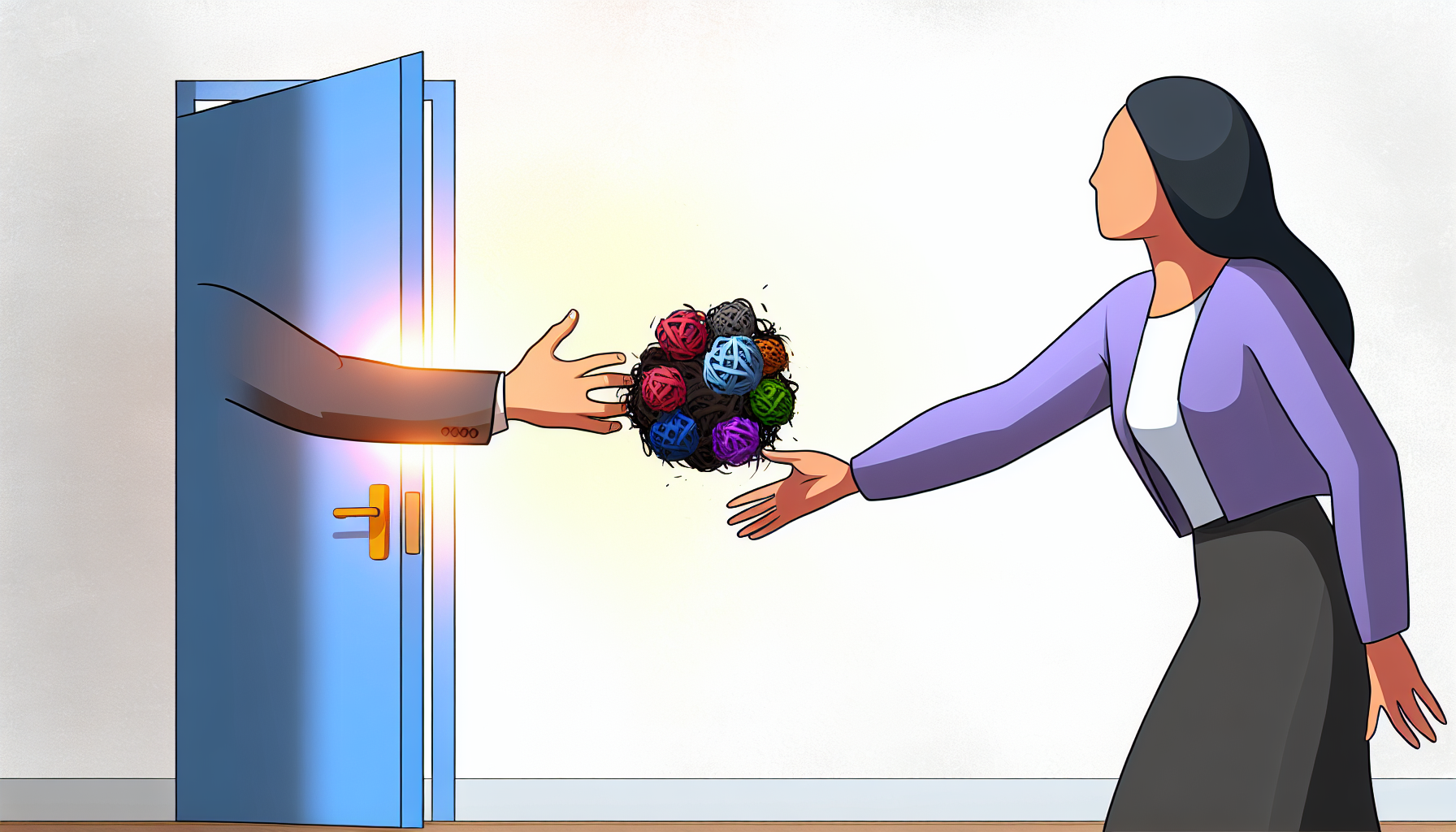
We’ve all experienced moments in life where holding onto the past feels safer than moving forward. Whether it’s a toxic relationship, unhelpful habits, or unresolved grief, these attachments can weigh us down. Letting go, however, is not just about forgetting—it’s about creating space for new beginnings. Gintaras Parutis, a BACP-accredited psychotherapist, emphasizes the transformative power of integrative therapy in helping individuals release these burdens and move towards a healthier future.
Research shows that holding onto negative attachments can lead to chronic stress, anxiety, and even physical health issues. According to a study published in the Journal of Behavioral Medicine, prolonged emotional stress increases the risk of cardiovascular disease by 27%. By addressing these attachments, therapy not only improves mental health but also contributes to overall well-being.
What Is Integrative Therapy?
Integrative therapy combines various therapeutic approaches to tailor treatment to an individual’s unique needs. Gintaras Parutis utilizes techniques such as Cognitive Behavioral Therapy (CBT), psychodynamic methods, and person-centered counseling to help clients explore their emotions, confront their attachments, and build resilience.
The Strength of a Customized Approach
Unlike one-size-fits-all methods, integrative therapy acknowledges the complexity of human experiences. For instance, someone navigating the end of a difficult relationship might benefit from psychodynamic insights into childhood patterns while also learning practical coping mechanisms through CBT. This flexibility ensures that therapy aligns with the client’s goals and circumstances.
How It Works in Practice
The journey begins during the initial session, where Gintaras Parutis collaborates with clients to identify the most effective techniques for their situation. Whether it’s addressing addiction, anxiety, or personal growth, the integrative approach empowers clients to confront their challenges with a clear, personalized strategy.
Releasing Unhealthy Attachments: Steps in the Process
Letting go can feel overwhelming, but integrative therapy breaks the process down into manageable steps. These include:
- Identifying the Attachment: The first step is recognizing what is holding you back. This could be a job, a relationship, or even a self-imposed belief.
- Understanding Its Impact: Through reflective exercises, therapy explores how the attachment affects your mental and emotional health.
- Replacing Negative Patterns: Cognitive Behavioral Therapy techniques help clients restructure unhelpful thought patterns and replace them with constructive ones.
- Building Emotional Resilience: Psychodynamic methods help uncover deep-seated emotions, fostering greater self-awareness and strength.
- Embracing New Beginnings: Therapy concludes by setting achievable goals for the future, empowering clients to move forward with confidence.
Each step is designed to provide clarity and support, ensuring that clients feel equipped to face their emotions and make meaningful changes.
Real-World Success Stories
The impact of integrative therapy extends far beyond theory; it’s a source of hope for real people. For example, a client who struggled with the grief of losing a parent found solace through sessions with Gintaras Parutis. By combining person-centered counseling with CBT, the therapy helped them process their emotions and cultivate a healthier perspective on their loss.
Another example involves a professional navigating burnout. Integrative therapy provided a space to explore the root causes of their stress, enabling them to set boundaries at work and rediscover their passion for their career. These stories exemplify how tailored approaches can create lasting change.
Actionable Tips for Letting Go
Even outside of therapy, there are strategies you can use to start letting go of unhealthy attachments:
- Practice mindfulness to focus on the present moment instead of dwelling on the past.
- Write down your feelings in a journal to gain clarity on what you need to release.
- Set small, achievable goals to rebuild your confidence and create momentum for change.
- Seek support from friends, family, or a therapist to guide you through the process.
- Celebrate progress, no matter how small, to reinforce positive habits.
These practices can complement professional therapy, helping you take proactive steps toward personal growth.
Moving Forward With Confidence
Letting go is an art, one that requires patience, courage, and guidance. Integrative therapy, as offered by Gintaras Parutis, provides the tools and support needed to navigate this journey. By addressing both the emotional and practical aspects of releasing attachments, therapy creates a path to a brighter, more fulfilling future.
Whether you’re struggling with addiction, anxiety, or life transitions, the process of letting go can be transformative. Remember, the act of releasing is not a loss but an opportunity to embrace new beginnings. As Gintaras Parutis often reminds his clients, “Growth happens when you make room for it.”
