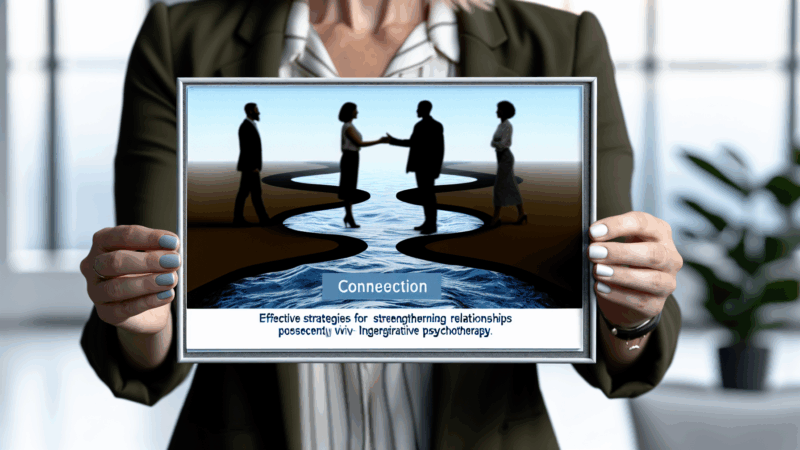
Why Relationships Matter and How They Evolve
Relationships, whether personal or professional, are the cornerstone of our emotional well-being. They provide us with love, support, and a sense of belonging. Yet, even the most harmonious relationships can face challenges. Miscommunication, unmet expectations, or past wounds can create conflicts that feel insurmountable. This is where integrative psychotherapy, as practiced by Gintaras Parutis, offers a lifeline, helping individuals and couples navigate these complexities and rebuild meaningful connections.
Integrative psychotherapy is a powerful approach tailored to the unique needs of each client. By combining elements of cognitive-behavioral therapy (CBT), person-centered therapy, and psychodynamic methods, this versatile approach creates a personalized path to healing and growth.

Understanding the Roots of Conflict
The Role of Miscommunication
At the heart of many conflicts lies miscommunication. Words left unsaid, assumptions made, or emotions poorly expressed can lead to misunderstandings that escalate over time. Integrative psychotherapy helps clients identify and address these communication gaps, fostering transparency and emotional clarity.
Unresolved Emotional Wounds
Past experiences often shape how we interact with others. Whether it’s a childhood trauma or a previous relationship that ended poorly, unresolved emotional wounds can act as invisible barriers to intimacy. Through psychodynamic techniques, Gintaras Parutis helps clients explore these underlying issues, enabling them to break free from unhealthy patterns.
The Cycle of Negative Interactions
Conflict often becomes cyclical—one partner’s criticism triggers defensiveness in the other, leading to further criticism and so on. This downward spiral erodes trust and connection over time. Understanding the psychological mechanisms behind these cycles is crucial for breaking them, and integrative psychotherapy provides the tools to do so.
Strategies for Moving From Conflict to Connection
Rebuilding relationships takes effort, but with the right strategies, it is entirely possible. Here are some effective approaches used in integrative psychotherapy:
1. Active Listening
Listening is more than just hearing words—it’s about understanding the emotions and intentions behind them. In therapy sessions, clients are guided to practice active listening, which involves:
- Maintaining eye contact and showing genuine interest in the speaker.
- Reflecting back what was said to ensure mutual understanding.
- Avoiding interruptions and giving space for the other person to express themselves fully.
2. Identifying Core Needs and Values
Conflicts often arise when core needs or values are not acknowledged. For example, one partner may value independence while the other seeks closeness. Integrative psychotherapy encourages open discussions about these needs, helping individuals find ways to honor both perspectives.
3. Reframing Negative Thoughts
Negative thought patterns, such as “They don’t care about me” or “I’ll never be good enough,” can fuel conflict. Using cognitive-behavioral techniques, clients learn to reframe these thoughts into more constructive ones. For instance, “They’re upset because they care about the relationship” offers a more empathetic perspective.
4. Building Emotional Regulation Skills
Strong emotions like anger or sadness can cloud judgment and lead to reactive behavior. Psychotherapy provides tools for managing these emotions, such as mindfulness exercises, breathing techniques, and grounding practices. These skills empower clients to respond thoughtfully rather than react impulsively.
5. Practicing Forgiveness
Forgiveness is a powerful step in healing relationships. It doesn’t mean condoning hurtful behavior but rather letting go of resentment to make space for connection. Through guided discussions, Gintaras Parutis helps clients navigate the complexities of forgiveness, fostering a sense of closure and renewal.
The Transformative Power of Integrative Psychotherapy
Integrative psychotherapy is not a one-size-fits-all approach; it’s a dynamic process tailored to each individual or couple. Here’s what sets it apart:
- Holistic Perspective: By addressing emotional, cognitive, and behavioral aspects, this approach ensures comprehensive healing.
- Flexibility: Techniques are adapted based on the client’s unique needs and goals, ensuring a personalized experience.
- Focus on Empowerment: Clients are equipped with practical tools they can use beyond therapy sessions, fostering long-term growth.
As Gintaras Parutis emphasizes, “The goal of therapy is not just to resolve conflict but to create a space where connection can thrive.”
Small Changes, Big Impact
Strengthening relationships often begins with small, intentional changes. Simple acts like expressing gratitude, setting aside time for meaningful conversations, or practicing patience can have a profound impact. These incremental shifts, combined with the insights gained in therapy, pave the way for deeper, more fulfilling connections.
Final Thoughts
Conflict in relationships is inevitable, but it doesn’t have to be destructive. With the guidance of integrative psychotherapy, individuals and couples can transform their disagreements into opportunities for growth and understanding. By addressing the underlying causes of conflict and adopting effective communication strategies, it’s possible to move from disconnection to genuine connection.
Whether you’re navigating a rough patch in your relationship or seeking to deepen your bond, working with an experienced psychotherapist like Gintaras Parutis can provide the support and tools you need. Remember, every step you take toward understanding and connection is a step toward cultivating happiness.
